Practical advice from the dispatch deskWhat to Do in the First Hour After Water Damage
What you do before the crew arrives can save a floor, a wall, or a whole room. None of this replaces professional drying, but it buys you time.
Stop the water first. Find the main shutoff and turn it clockwise until it stops. In older houses near downtown Seabrook it tends to sit in the basement along the front wall where the street line enters. In newer subdivisions, check the garage, a utility closet, or the area by the water heater. Condo and apartment owners may find their unit shutoff under a sink or behind an access panel, and building maintenance can close the riser if it comes to that.
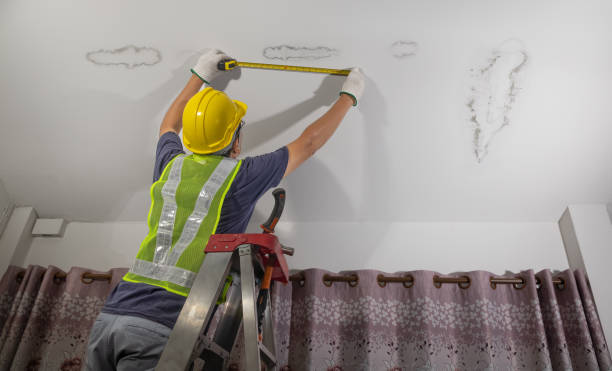
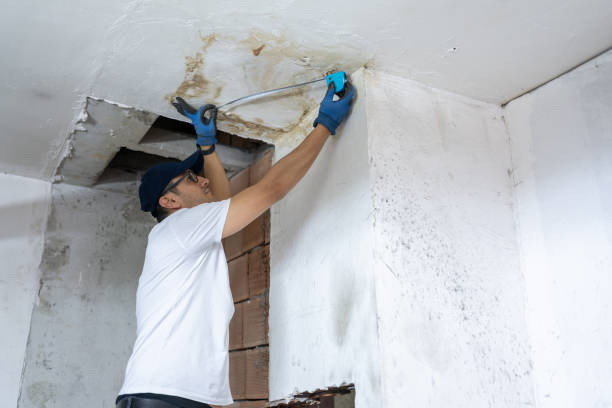
Make the area safe. If water has reached outlets, power strips or the panel, do not wade through it to flip the breaker. Call the utility or wait for the crew. Watch the ceiling. Drywall that bulges or sags is holding water and can come down without warning, so keep people and pets out from under it.
Document everything before it moves. Shoot wide photos of each room, then close-ups of the source, the waterline on the walls, and damaged belongings. A quick walk-through video with the date visible is even better, and your adjuster will appreciate it.
Get some air moving, carefully. If the power is safe and the water is clean, open interior doors and run a few household fans to keep air moving across wet surfaces. Do not open windows on a hot, humid day, since you will pull more moisture into the house than you remove. In winter, keep the heat on so pipes do not freeze again and materials keep giving up water.
Lift what you can. Carry rugs, electronics, documents and anything sentimental into a dry room. Put foil squares or plastic lids under furniture legs so finish and rust do not bleed into wet carpet. Leave heavy pieces and anything built in for the crew.
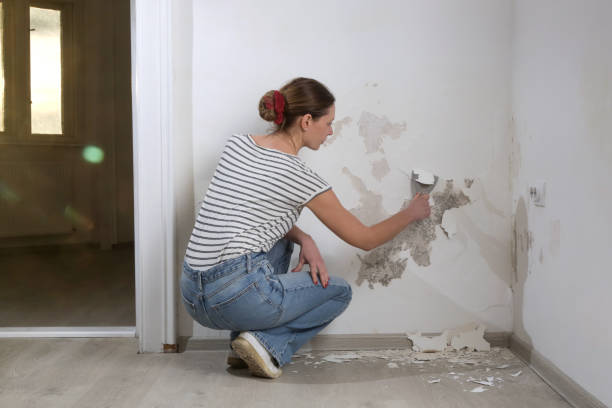
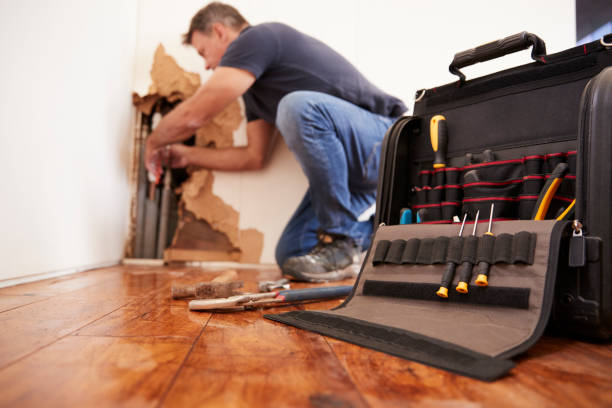
Things not to do: Do not run a household vacuum on wet floors, do not turn the HVAC on high hoping it will dry things out, and do not start tearing out drywall before it has been photographed and measured. If the water came from a toilet, a floor drain or outdoors, treat it as contaminated and keep your bare hands out of it.
Then make the call. The earlier extraction begins, the more of your home stays where it is instead of going out to the curb. If you are unsure about any of this, our dispatcher can walk you through it while the contractor is on the way.