Walls still reading wet? Independent drying pros take calls 24/7.Call +1-877-637-9008
24/7 Drying Line Open

Structural Drying in Clearwater, KS

Once the puddles are mopped up, a house can look done while the studs, subfloor and drywall core are still soaked inside. Drying a building is a measured process, run by meters and math, not by how a surface feels to your hand.

One call to our referral line puts you in touch with a licensed, insured independent drying contractor serving Clearwater. The tech lays out equipment to a drying plan, records moisture every day and puts the estimate in writing first.

  • Targets set from dry material in the same house
  • Daily moisture logs and drying charts
  • Licensed, insured independent drying contractors
  • Drying in place before tearing anything out
Licensed Structural Drying service in Clearwater, KS - Doral Water Damage

While the drying runs

  • Leave every machine on, day and night
  • Keep windows and doors closed unless told otherwise
  • Set the thermostat where the tech recommends
  • Leave the fans and dehus exactly where they sit
Why people call for drying

Why Choose Our Specialized Structural Drying Network in Clearwater, KS

Proper drying is part science and part routine: read the air, read the materials, adjust, and repeat until the numbers line up. This is what the independent drying techs in our network bring.

Independent Pros With License and Insurance

Every contractor we refer is an independent local business that carries its own license and insurance. A lot of them train to the IICRC S500 water damage standard, so ask your tech what certifications they hold.

Upfront Written Drying Estimates

The estimate lists equipment counts, expected drying days and monitoring visits, so the bill is easy to follow. Daily logs back up each line for the adjuster.

Fast Response From Nearby Techs

The sooner drying starts, the more drywall, trim and flooring can stay in place instead of being cut out. Our dispatcher confirms a real arrival window with a nearby tech while you are on the line.

Hygrometers, Pin Meters and LGR Units

Expect a thermo-hygrometer for temperature, humidity and GPP, pin and non-invasive meters for framing and drywall, and a thermal camera to track cool, wet areas. Equipment ranges from LGR and desiccant dehumidifiers to wall cavity injection kits and hardwood floor drying mats.

What the meters show

Why Dry to the Touch Does Not Mean Dry

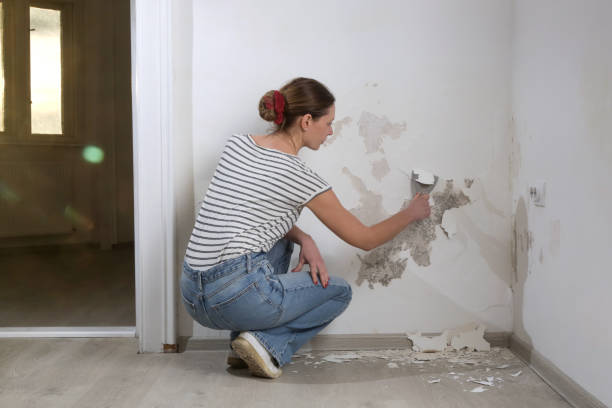
A familiar story: the leak is repaired and the wall looks normal, yet the meter tells a different tale. Painted drywall dries at the face while the gypsum core and the stud behind it stay wet. Close that up or hang a picture on it and you can end up with mold you will not see for weeks.

Drying techs set goals by reading the same material in a part of the house the water never touched. When the wet wall reads within range of that dry standard, it is dry; until then, the equipment keeps running.

Hardwood floors show the same problem in a different way. After a slow leak under a sink or dishwasher, the bottom of the boards takes on water and swells, so the edges rise and the floor cups. Sanding it flat too soon leaves the floor crowned once it finishes drying. Drying mats and patient monitoring often let the boards settle back down.

The short version: dry, warm air draws water out of materials, dehumidifiers remove it from the air, and air movers sweep the surface so evaporation keeps going.

  • Relative humidity tells you how saturated the air is at its current temperature
  • Grains per pound (GPP) measures how much water is actually in the air, regardless of temperature
  • Vapor pressure moves moisture from wetter materials toward drier air
  • Dew point is where the air would condense on a cold surface, which matters on slabs and exterior walls
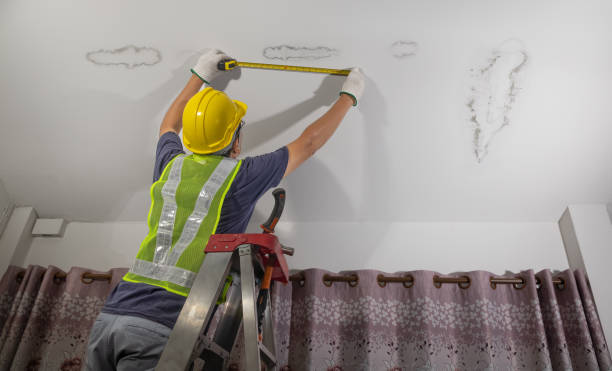
Professional Structural Drying technician working in Clearwater, KS
Where drying equipment goes

What a Drying Job Actually Covers

Techs start by rating the job Class 1 through 4, which sets how much dehumidification and airflow it takes.

24/7 Emergency Structural Drying experts in Clearwater, KS

Mapping Wet Areas Against Dry Readings

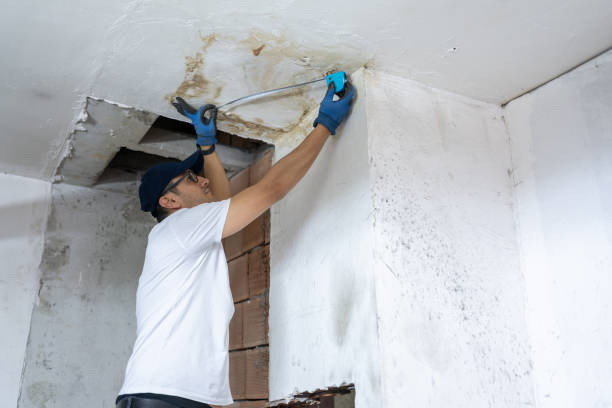
With meters and thermal imaging, the tech outlines the wet zone and reads unaffected material to set a target. Those readings get marked on a sketch so every visit checks the same spots.

Rating the Loss by Class

A Class 1 loss touches a small area, while Class 4 involves deep-holding materials such as hardwood, plaster and concrete. That class decides how much drying equipment the tech sets.

  • Class 2: a full room, with water wicking a short way up the walls
  • Class 3: wet ceilings, walls and floors from water coming from above

LGR and Desiccant Dehumidifiers

Low grain refrigerant (LGR) units pull moisture down to lower GPP than standard dehumidifiers, which suits most homes. Desiccant units work better in cold spaces and on dense materials like hardwood and concrete.

Drying Inside Closed Walls

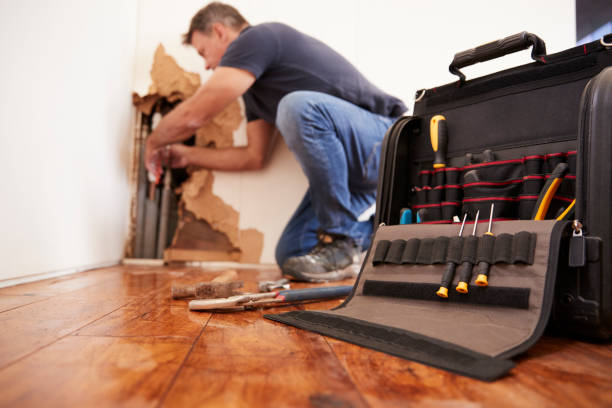
Rather than cutting the wall open, the tech can drill small holes behind the baseboard and inject dry air into the stud bays. For clean water caught early it often saves the wall, and the holes end up behind the baseboard.

Saving Cupped Hardwood

Mats seal against the wood and draw moisture up through the boards and the subfloor below. The tech tracks readings on the boards against dry wood elsewhere until they match.

Daily Logs and Drying Charts

Every visit the tech records temperature, relative humidity and GPP inside, outside and at the dehumidifier exhaust, plus material readings. The chart proves to the adjuster that drying is on track and shows when it is complete.

From the first reading to the last

Your Drying Job, From Call to Sign-Off

  1. Call Dispatch and Describe What Got Wet

    Share the source, the timing and the materials involved, whether drywall, hardwood, carpet or plaster. We connect you with the nearest independent drying tech and confirm an arrival window.

  2. Tech Arrives and Takes First Readings

    Your tech records indoor and outdoor air conditions and then maps moisture across walls, floors and ceilings. A few readings on unaffected material elsewhere set the drying goal.

  3. Drying Plan and Written Estimate

    After rating the loss by class, the tech sorts what dries in place from what must be removed and sizes the equipment to match. You get a written, line-itemed estimate before the machines start.

  4. Daily Checks Until Dry, Then Sign-Off

    Monitoring visits happen about daily, with equipment adjusted or pulled as each area reaches its goal. When every point matches the dry standard, the equipment comes out and you sign off with the full drying log in hand.

Reliable Structural Drying contractor in Clearwater, KS by Doral Water Damage
What people told us after

What Callers Said About Their Drying Jobs

Our upstairs toilet leaked and the hallway wall looked completely fine a day later. I called the referral line mostly for peace of mind, and the contractor they connected me with put a meter on it and it was soaked behind the paint. They injected air into the wall cavity instead of tearing it out and showed me the readings dropping every day.

Rachel D.Homeowner, Clearwater

A slow leak under our dishwasher made the kitchen oak floor cup. I was ready to replace the whole floor. My tech set up drying mats and compared the boards to dry flooring in the dining room each visit. It flattened most of the way, and they told us honestly which boards would still need work.

Tom H.Homeowner, Clearwater

The machines were loud and I wanted to shut them off at night. My tech explained that turning them off lets the moisture rebound and costs you a day of drying. We kept them running and the job wrapped up in about four days.

Angela S.Condo owner, Clearwater
Drying questions

Straight Answers About Structural Drying

How long does structural drying take?

Many jobs finish in three to five days, while hardwood, plaster or concrete can stretch that out. The evaporation class, the weather and how quickly drying started all change the timeline. Your tech will give you a clearer finish date once readings start trending down.

Why do the drying machines have to run 24 hours a day?

Drying works by keeping the air drier than the wet materials so moisture keeps moving out of them. Once the machines stop, the air humidity climbs back up and the materials stop drying or soak some back in.

Can I turn the drying equipment off at night?

It is best not to. Turning the equipment off overnight usually adds days to the job. If the noise is a real issue, ask your tech about adjusting placement rather than moving or shutting off units yourself.

How do they know when the structure is completely dry?

Readings on the affected materials are checked against the same material in a dry room, which is the dry standard. Once every point on the moisture log reaches that range, the job is considered dry. The daily log documents it for you and for the insurance adjuster.

How much electricity do drying machines use?

A dehumidifier and several air movers running around the clock will raise the power bill for that period. Many insurers reimburse that added electricity cost on a covered claim, so ask your adjuster and keep your utility bills. The tech can also plan circuits so breakers do not trip.

Local drying coverage

Independent Drying Contractors Serving Clearwater

Our network of independent drying techs covers houses, condos and small businesses all over Clearwater.

Some callers reach us after another company dried the space and something still smells musty or reads wet. A fresh set of readings from an independent tech can settle the question.

  • Walls and studs
  • Hardwood floors
  • Wet subfloors
  • Older plaster
  • Wet ceilings
Affordable Structural Drying solutions in Clearwater, KS

Reach the drying line now

Describe the materials and timing, and we will match you with a nearby independent drying tech.

Call +1-877-637-9008

Walls or Floors Still Damp? Call Now

A tech with a meter can tell you in minutes whether your walls and floors are really dry. A single call matches you with a local independent drying contractor.

Call +1-877-637-9008

Our Services in Clearwater, KS

Call +1-877-637-9008
🟢 Techs On Duty in Clearwater, KS Call +1-877-637-9008