Notes from the drying techs
Dry to the Touch Is Not Dry
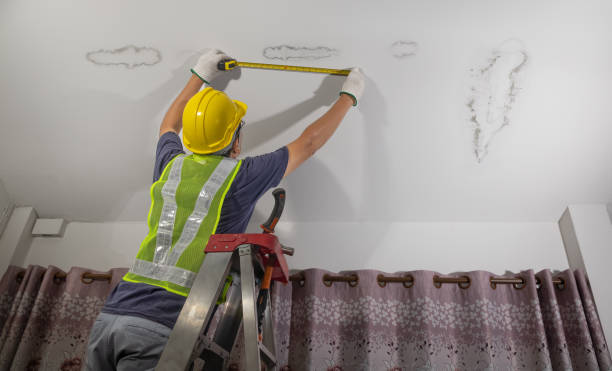
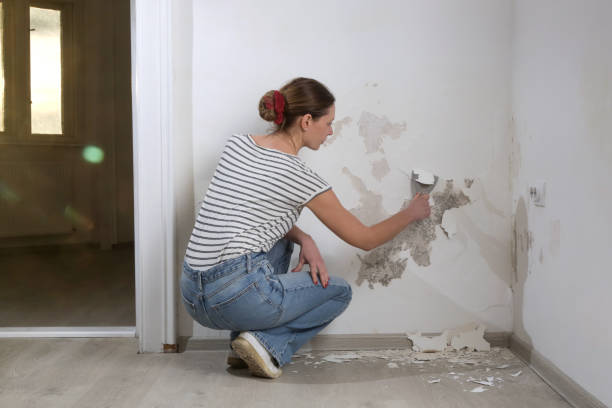
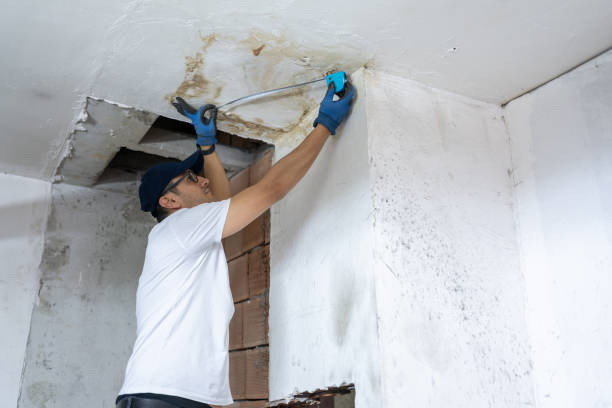
Here is a call the dispatch desk gets every week: a leak was fixed, the wall looks fine, but a tech puts a meter on it and it reads high. Drywall paint dries on the surface first and seals moisture inside the gypsum core and the stud behind it. Seal it up or push furniture against it, and mold can grow out of sight for weeks.
The drying target comes from what techs call the dry standard: readings taken on unaffected drywall, framing or flooring elsewhere in the house. Only when the wet material matches that baseline is it considered dry, and not a day before.
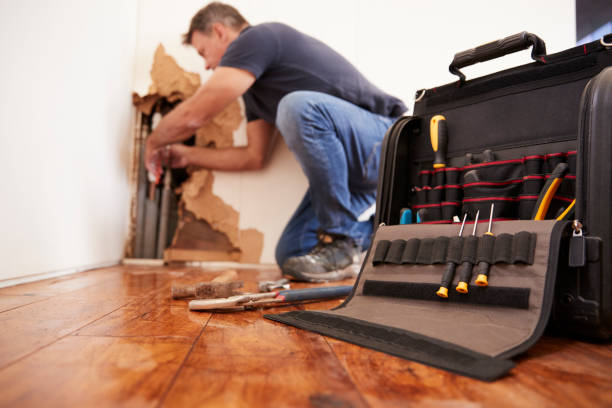
Hardwood floors show the same problem in a different way. With a slow leak under a dishwasher, the underside of the boards swells and the edges lift, which is called cupping. Sand it flat too early and it crowns once it dries. Drying mats and patient monitoring often let the boards settle back down.
The physics in plain words: warm, dry air pulls moisture out of wet materials, and dehumidifiers pull it out of the air. Air movers keep the surface boundary layer moving so evaporation does not stall.
- Relative humidity is how full the air is relative to what it can hold at that temperature
- GPP is the actual weight of water vapor in the air, which is the number techs track day to day
- Moisture moves from high vapor pressure in wet materials toward lower pressure in drier air
- Dew point tells the tech where condensation could form on cold slabs and outside walls