What the meters show
Dry to the Touch Is Not Dry
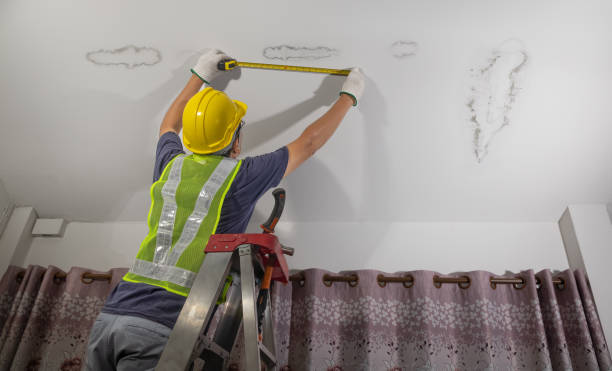
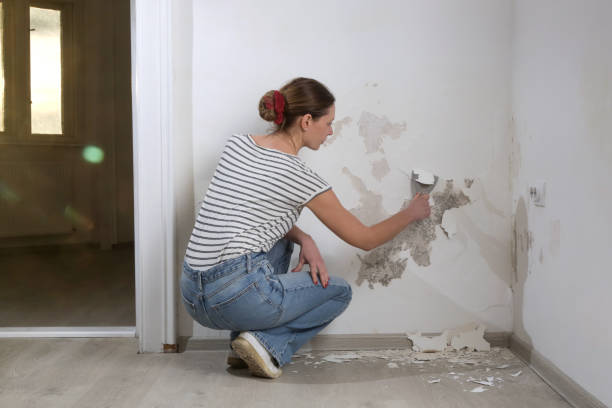
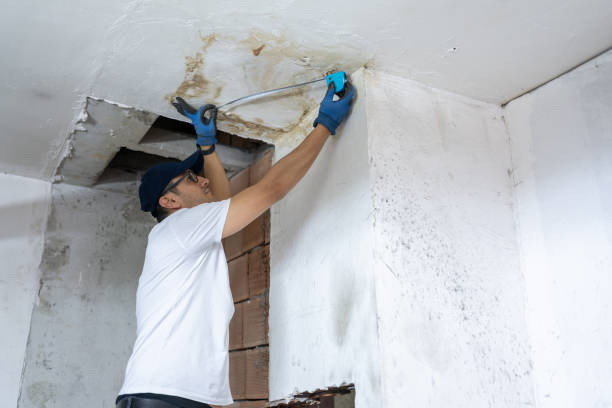
A familiar story: the leak is repaired and the wall looks normal, yet the meter tells a different tale. Drywall paint dries on the surface first and seals moisture inside the gypsum core and the stud behind it. Close that up or hang a picture on it and you can end up with mold you will not see for weeks.
Drying techs set goals by reading the same material in a part of the house the water never touched. Only when the wet material matches that baseline is it considered dry, and not a day before.
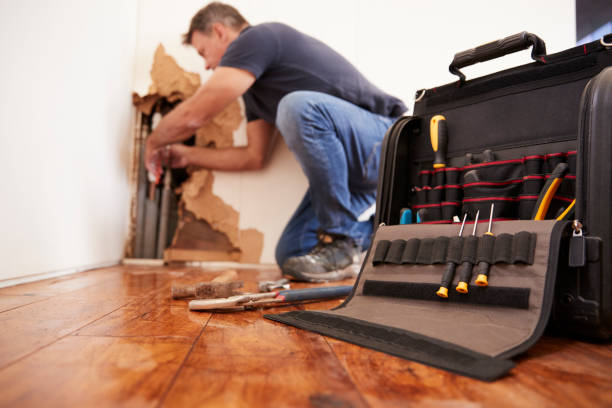
Hardwood floors show the same problem in a different way. With a slow leak under a dishwasher, the underside of the boards swells and the edges lift, which is called cupping. Sand it flat too early and it crowns once it dries. Drying mats and patient monitoring often let the boards settle back down.
The short version: dry, warm air draws water out of materials, dehumidifiers remove it from the air, and air movers sweep the surface so evaporation keeps going.
- Relative humidity tells you how saturated the air is at its current temperature
- GPP is the actual weight of water vapor in the air, which is the number techs track day to day
- Vapor pressure moves moisture from wetter materials toward drier air
- Dew point is where the air would condense on a cold surface, which matters on slabs and exterior walls