Field notes from the dispatch desk
Why Restoration and Cleanup Are Two Different Jobs
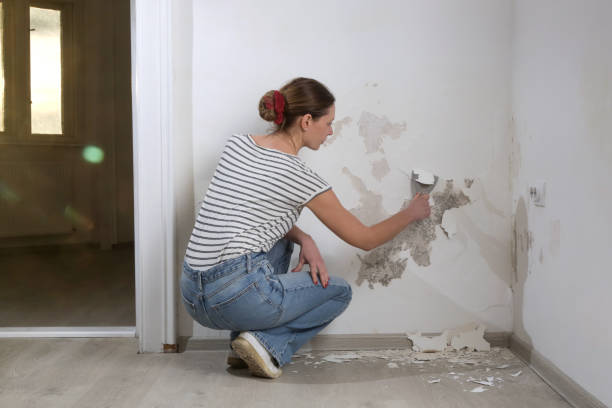
The first half of any water loss is mitigation: stop the source, pull the water, remove what will not dry and run dehumidifiers until the meter says done. What comes after is restoration, and the work looks a lot more like a remodel than an emergency call.
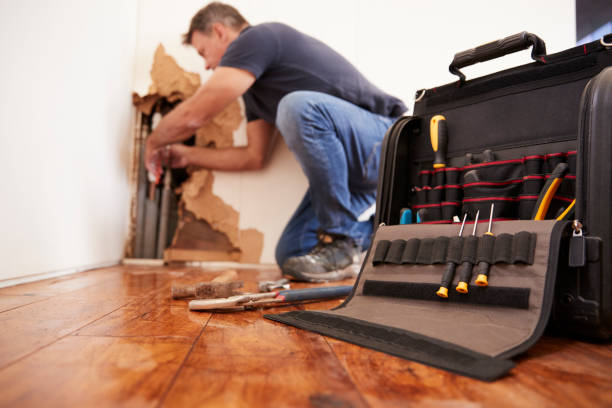
Picture a dishwasher supply line that seeped under the cabinets for days before anyone saw it. Mitigation pulls the toe-kicks, opens the cabinet bases for airflow and dries the subfloor. Restoration means sourcing a toe-kick that matches, swapping a swollen sink base and blending new flooring into the old at the doorway.
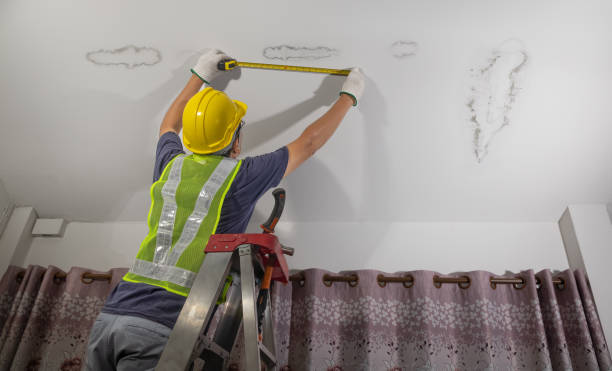
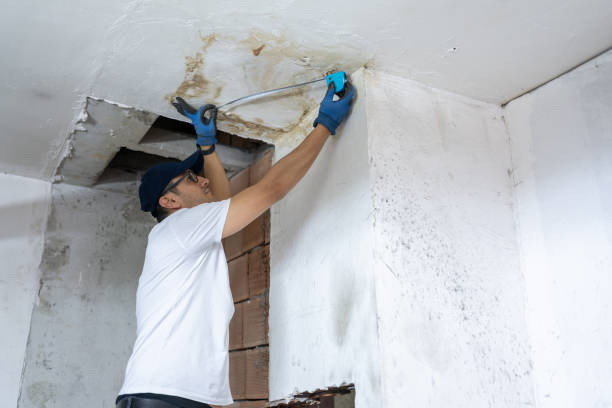
Or take an upstairs toilet overflow that came through the kitchen ceiling. Once the soaked ceiling board is down and the joists read dry, someone still has to hang new board overhead, match the texture and repaint the whole ceiling.
The crews that are great at fast tear-out are not always the ones you want doing finish work in your living room.
Some companies do both halves and many do just one. Ask outright whether the rebuild is part of the job, and get that answer in writing.
- Get the final dry-standard readings before new board is hung
- Make sure the scope covers each affected room, not just the worst one
- Keep the mitigation drying logs, because adjusters ask for them